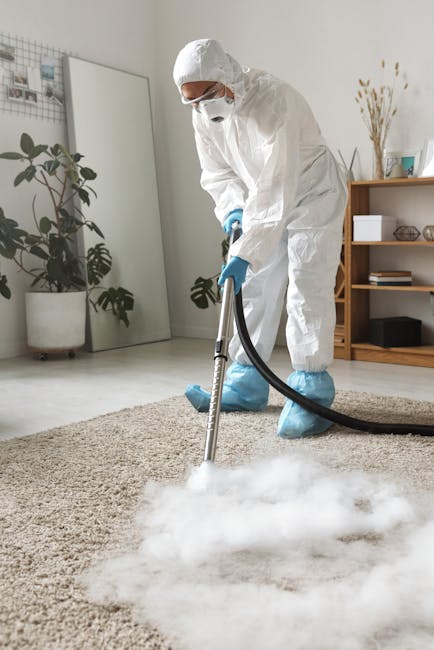
Beckton DLR Cleaning Guide for Carpets and Upholstery
If you live or work near Beckton DLR, carpets and upholstery can take a beating in a way that feels almost unfair. Wet shoes on a rainy commute, dust drifting in from busy streets, pets, kids, visitors, office traffic - it all adds up. This Beckton DLR cleaning guide for carpets and upholstery is designed to help you understand what really works, what to avoid, and when it makes sense to bring in a professional.
You will find practical steps, sensible expectations, and plain-English advice for keeping carpets, sofas, chairs, rugs, curtains, and other soft furnishings in good condition. Not fancy theory. Just useful guidance that helps you make better decisions, save time, and avoid the classic mistakes that turn a small spill into a stubborn problem.
For a broader look at professional floor care, you may also find the information on carpet cleaning services useful when comparing options.
Table of Contents
- Why this matters
- How the cleaning process works
- Key benefits and practical advantages
- Who needs this and when it makes sense
- Step-by-step guidance
- Expert tips for better results
- Common mistakes to avoid
- Tools, resources and recommendations
- Law, compliance, standards and best practice
- Options, methods and comparison
- Case study or real-world example
- Practical checklist
- Conclusion
- Frequently asked questions
Why Beckton DLR cleaning guide for carpets and upholstery Matters
Beckton is a practical, fast-moving part of East London, and that creates a very ordinary but very real cleaning problem: soft furnishings pick up life quickly. Carpets trap grit from shoes. Upholstery absorbs body oils, food marks, pet smells, and everyday dust. Even a tidy home can start to feel less fresh if these surfaces are ignored for too long.
Near transport links like Beckton DLR, traffic from outside tends to show up indoors. Fine dirt settles deep in carpet fibres. On sofas and armchairs, you may notice dull patches where people sit most often, or a slightly stale smell that is hard to place at first. Truth be told, most people only notice after guests arrive or after a spill has already set in. That is usually the moment the job gets harder.
This matters not just for appearance, but for wear, comfort, and how long your furnishings last. Regular upkeep can slow fibre damage, reduce the look of tracked-in soil, and make a room feel properly looked after. In rented homes, managed flats, offices, and shared spaces, that can be the difference between something that merely looks used and something that looks neglected.
If you are trying to compare specialist services, the pages on upholstery cleaning and sofa cleaning are helpful companions to this guide because they show how different fabric items are typically treated.
Expert summary: Good carpet and upholstery care is less about dramatic rescue work and more about consistent, sensible habits. Vacuum well, treat spills quickly, use the right method for the fabric, and do not over-wet anything unless you know it can cope.
How Beckton DLR cleaning guide for carpets and upholstery Works
At a basic level, carpet and upholstery cleaning works by removing soil, oils, and residues that cling to fibres. There are a few common stages. First, loose debris is removed. Then stains are identified and pre-treated. After that, the main cleaning method is applied, whether that is hot water extraction, low-moisture cleaning, dry compound work, or careful hand-cleaning on delicate materials. Finally, the item is dried and groomed where appropriate.
The trick is matching the method to the material. A wool carpet behaves differently from synthetic pile. A velvet chair is not the same as a hard-wearing office sofa. Some items are colourfast and robust. Others can distort, shrink, or mark if treated too aggressively. So the cleaning process is not just "scrub it and hope". It is more measured than that.
For carpets, the main aim is to lift dirt from the pile and remove as much moisture as practical. For upholstery, the goal is to clean the fabric and reduce residue without soaking the cushioning underneath. On a Sunday afternoon, when you want the lounge sorted before the week starts, that balance matters quite a lot.
In professional work, technicians often test a hidden area first, identify fibre type if possible, and choose a solution that fits the fabric and the soiling level. That sounds obvious, but you would be surprised how often people skip this step and go straight in with a strong cleaner from under the sink. It happens.
If odours are part of the problem, especially from pets or repeated spillages, the page on pet stain and odour removal is a useful reference point for understanding the sort of issue that often needs more than surface cleaning.
Key Benefits and Practical Advantages
The obvious benefit is that carpets and upholstery look fresher. But there is more to it than that. Proper cleaning can improve comfort underfoot, reduce the grubby look that builds up around doors and seating areas, and make a room feel less heavy or dusty. That subtle "ah, that's better" feeling is real. You notice it when you sit down, breathe more easily, or catch the scent of a room that no longer feels stale.
- Better appearance: Collected dirt dulls fabrics; cleaning restores colour and texture.
- Longer lifespan: Grit acts like sandpaper, so removal helps slow wear.
- Improved hygiene: Routine care helps reduce buildup from everyday use.
- Odour control: Spills, pets, and moisture can create lingering smells if ignored.
- More comfortable living or working space: Fresh fabrics simply feel nicer to use.
There is also a practical side for landlords, tenants, and businesses. In a rental property, clean carpets and seating help present the space properly during inspections or moves. In an office or shared environment, the same care can support a more professional impression. Nobody enjoys a waiting room sofa with a mystery stain in full view. Not ideal, to put it mildly.
Commercial spaces around Beckton DLR may also benefit from structured maintenance. If that is your situation, take a look at commercial carpet cleaning for a sense of what larger or busier premises typically need.
Who This Is For and When It Makes Sense
This guide is for anyone who wants cleaner, better-kept soft furnishings without wasting time or causing avoidable damage. That includes homeowners, tenants, landlords, letting agents, office managers, shop owners, and anyone with pets or children who seems to treat every surface like an opportunity. Which, let's face it, is most households at some point.
It makes sense to act sooner rather than later if you notice any of the following:
- traffic lanes forming on carpet in hallways or living rooms
- spills that have not fully lifted after a basic spot clean
- fabric that looks tired, flat, or slightly greasy
- persistent smells even after vacuuming and airing the room
- allergy-prone occupants who benefit from cleaner soft surfaces
- pre-move, pre-event, or pre-inspection tidy-ups
For delicate items like curtains, rugs, and mattresses, the situation can be more specific. The relevant service pages - such as curtain cleaning, rug cleaning, and mattress cleaning - help show how different materials call for different handling.
A quick reality check: if the stain is old, the fabric is fragile, or the item is expensive, professional help can be the calmer and cheaper option in the long run. DIY is fine for small jobs. For anything uncertain, proceed carefully.
Step-by-Step Guidance
Here is a simple, practical process you can follow for carpets and many types of upholstery. It is deliberately cautious. Better a slow, clean result than a fast mistake.
- Identify the fabric or pile type. Check care labels where available. If you cannot identify the material, do not guess with a strong chemical.
- Vacuum thoroughly. Remove dry soil first. This helps every later step work more effectively and stops grit being pushed deeper in.
- Test in a hidden spot. Look for colour transfer, texture change, or residue after the test dries.
- Deal with stains individually. Spot-treat the specific problem rather than blasting the whole item with one product.
- Use the least aggressive suitable method. For many everyday marks, a controlled approach works better than soaking.
- Blot, do not rub. Rubbing can spread the stain and fray fibres. This one is a classic.
- Control moisture. Too much water can lead to long drying times, odours, and wicking, where the stain reappears as it dries.
- Dry as quickly as practical. Open windows where sensible, use airflow, and avoid sitting on damp upholstery.
- Check the result when dry. Some stains only show themselves after the fabric has fully dried. Annoying, but common.
For stubborn marks, a focused stain strategy usually works better than general cleaning. If you are unsure where to begin, the stain removal page is a sensible companion because it reflects the idea that different stains need different handling.
One more practical note: if you clean a sofa cushion and it dries slightly unevenly, do not panic. Light shading can happen. A second pass may or may not help, depending on the fabric. Sometimes the best move is to stop and let the item dry fully before making another decision.
Expert Tips for Better Results
In our experience, the best results usually come from restraint. People often think stronger is better. It is not always. In fact, too much product can leave residue that attracts dirt later and makes the item look dull again sooner.
- Vacuum slowly in overlapping passes. Quick vacuuming misses compacted grit in the pile.
- Work from the outside of a stain inward. This keeps the mark from spreading.
- Use white towels or uncoloured cloths. Dye transfer from a coloured cloth can create a new problem.
- Keep detergents mild unless a fabric specifically allows more. Stronger is not smarter.
- Manage drying time carefully. Good airflow matters more than people think.
- Rotate cushions and vacuum under furniture. Those hidden zones often hold the most grit.
Here is a small but useful habit: run your hand across the fabric after cleaning, once it is fully dry. If it feels sticky, chalky, or coated, there may be residue left behind. That is a sign the product needs better rinsing next time. A tiny detail, yes, but it tells you a lot.
When upholstery looks tired rather than simply dirty, a dedicated service may be the smarter route. The page on sofa cleaning is relevant if your main concern is seating rather than carpets.
Common Mistakes to Avoid
A lot of cleaning damage happens because the person meant well. That is the honest truth. The job often goes wrong in predictable ways, and once you know them, you can avoid them pretty easily.
- Using too much water: Oversaturation can leave damp smells and extend drying time uncomfortably.
- Scrubbing hard: Aggressive rubbing can distort fibres and push stains deeper.
- Skipping the test patch: Even mild products can affect colour or finish.
- Mixing cleaning products: This can create harmful reactions or simply make the fabric worse.
- Ignoring the backing or underlayer: Especially with carpets and cushions, the hidden layers matter.
- Waiting too long after a spill: Fresh marks are usually much easier to deal with.
Another common mistake is assuming a stain has gone when it has only been hidden by moisture. As the area dries, the residue can come back up. That is one reason professionals pay close attention to extraction and drying. It is not glamorous work. It is just the part that saves you from doing the same job twice.
If you are dealing with a delicate rug, do not treat it like a hallway carpet. Use the guidance on rug cleaning as a reminder that portable textiles often need a different approach.
Tools, Resources and Recommendations
You do not need a van full of equipment to maintain carpets and upholstery, but having the right basics helps a lot. A decent vacuum cleaner, clean microfibre cloths, a soft brush, and a couple of safe stain-treatment options are enough for many routine jobs. If you have pets, a lint roller or rubber-style fabric tool can be handy too.
For more involved cleaning, people often consider hot water extraction or steam-based methods. These can be effective on suitable carpets, but they are not ideal for everything. The page on steam carpet cleaning is relevant if you want to understand one of the common professional approaches.
When choosing a service, look beyond the headline promise. Good questions to ask include:
- What fabric types do you clean regularly?
- How do you handle stubborn stains or odours?
- Do you test the fabric first?
- How long is drying likely to take?
- What should I do before the appointment?
It is also worth checking the business information that supports trust and transparency. The pages on about us, insurance and safety, and health and safety policy can help you judge how carefully a provider thinks about their work.
If you are planning ahead and want a clearer idea of what a job may involve commercially, pricing and quotes is the most relevant place to start. And if you care about how waste, water, and products are handled, recycling and sustainability may be worth a look too.
Law, Compliance, Standards, or Best Practice
For domestic carpet and upholstery cleaning, the key point is simple: cleaning products should be used safely, directions should be followed, and the fabric should not be damaged in the process. In the UK, reasonable care is the practical standard most people should keep in mind, especially in shared homes, rental properties, and workplaces.
Where cleaning happens in a business or managed setting, safety, ventilation, slip risk, and drying time matter more than people sometimes expect. Wet carpets can create trip hazards. Strong products can cause irritation if used badly. So the best practice is to choose methods that suit the material, keep people away from damp areas, and allow proper drying before use.
For landlords, agents, and business owners, clear communication is useful. Tell occupants when cleaning is planned, note any fragile items, and explain how long the area should remain unused. That sort of thing may sound obvious, but it prevents awkward misunderstandings later. Nobody wants someone walking over a freshly cleaned carpet in outdoor shoes. Not a great look.
If you are dealing with a job in a commercial property, the service page on commercial carpet cleaning is the most relevant internal reference for understanding expectations in that setting.
Also, a trustworthy provider should be able to explain their policies clearly. The pages on terms and conditions, privacy policy, payment and security, and complaints procedure are there for a reason. They help set expectations before work begins.
Options, Methods, or Comparison Table
Choosing a cleaning method usually comes down to fabric type, soil level, drying time, and risk tolerance. Some people want the deepest possible clean. Others want the safest possible clean for a delicate item. Often, the right answer sits somewhere in the middle.
| Method | Best for | Pros | Watch out for |
|---|---|---|---|
| Vacuuming and spot care | Routine maintenance, light marks | Fast, low risk, affordable | Won't lift deep soil or old stains |
| Hot water extraction | Many synthetic carpets and some upholstery | Deep soil removal, good refresh | Too much moisture for sensitive fabrics |
| Low-moisture cleaning | Busy spaces and quicker turnaround needs | Shorter drying time, less disruption | May not suit severe contamination |
| Dry or specialist fabric cleaning | Delicate textiles, some rugs, sensitive upholstery | Reduced water risk, fabric-friendly | Requires the right expertise and product choice |
In practice, most real-world cleaning jobs are a mix of methods. A lounge may need one approach for the carpet, another for the sofa, and a gentler technique for curtains or cushions. That is normal. One-size-fits-all is rarely the best answer here.
Case Study or Real-World Example
Picture a small flat near Beckton DLR where the hallway carpet has picked up dark tracking marks over winter, and the sofa has a faint drink stain plus a lingering pet smell. Nothing dramatic. Just the kind of wear that creeps up on you over a few months. The place still looks tidy at first glance, but it does not feel fresh.
The homeowner starts by vacuuming more carefully than before, then spots the problem areas. One stain on the sofa responds well to blotting and light treatment. The carpet, though, is different. The pile has flattened in the traffic area and the marks remain visible. In that situation, cleaning the carpet and upholstery as separate jobs makes more sense than trying to treat everything the same way.
After a professional clean, the room feels lighter. The carpet colour looks more even. The sofa smells neutral again rather than faintly stale. The biggest surprise is usually not the stain removal itself; it is the overall freshness. People often comment that the whole room seems brighter, even if no furniture has moved. That is a very real effect.
If the same property also had a fabric headboard, footstool, or other seating, the upholstery cleaning page would be a sensible next step for understanding how those items are typically treated.
Practical Checklist
Use this quick checklist before you start. It keeps things simple and stops the common slip-ups.
- Identify the fabric or carpet type where possible
- Vacuum thoroughly before any wet cleaning
- Test a hidden area first
- Use the gentlest effective product or method
- Blot stains instead of rubbing them
- Avoid over-wetting the item
- Improve airflow for drying
- Keep people and pets off damp surfaces
- Recheck the area once fully dry
- Book professional help if the item is delicate or the stain is stubborn
If you are unsure about a stain or fabric, pause. That pause can save you a lot of trouble. Seriously.
Conclusion
Cleaning carpets and upholstery near Beckton DLR is not just about making things look a bit nicer. It is about looking after the materials you live and work with every day, keeping spaces comfortable, and avoiding the kind of damage that comes from rushing. The best results usually come from simple habits done well: vacuum carefully, treat spills quickly, match the method to the fabric, and keep moisture under control.
Whether you are dealing with a tired lounge carpet, a family sofa that has seen better days, or a business space that needs a sharper finish, the main principle is the same. Go gently where you can, act early where possible, and do not be afraid to ask for help when the item is valuable or the stain is stubborn. That is often the smartest move, not the most dramatic one.
Get a free quote today and see how much you can save.
And if this guide has helped you feel a bit more confident, good. Clean fabric can change the feel of a room more than people expect, and a little care goes a long way.
Frequently Asked Questions
What is the best way to clean carpets and upholstery near Beckton DLR?
The best approach depends on the fabric, the type of stain, and how much moisture the item can safely handle. For routine care, vacuuming and prompt spot treatment work well. For deeper cleaning, a suitable professional method is usually safer and more effective.
How often should carpets and sofas be cleaned?
That depends on use. Busy homes, pets, and high-traffic areas usually need more frequent attention than quieter spaces. The key is not a rigid timetable but watching for dullness, odours, and visible soil.
Can I use the same cleaner on carpet and upholstery?
Not always. Some products are fine for one material but too harsh for another. Upholstery fabrics can be more delicate, and the backing or filling may react differently to moisture. Always test first if you are unsure.
Why does a stain sometimes come back after cleaning?
This usually happens because residue from deeper in the fabric rises as it dries, or because the cleaning product did not fully extract the soil. It is frustrating, but common. Better moisture control and proper extraction usually help.
Is steam carpet cleaning suitable for every carpet?
No. Steam or hot water extraction can work well on many carpets, but it is not ideal for every fibre or every situation. Delicate materials may need a gentler method.
How long does upholstery take to dry?
Drying time varies by fabric, room temperature, airflow, and how much moisture was used. Good ventilation helps. Avoid using the furniture until it is fully dry, or at least comfortably dry to the touch.
What should I do immediately after spilling something on a sofa?
Blot the spill with a clean cloth, work from the outside inward, and avoid rubbing. If the spill is oily, coloured, or smells strong, treat it carefully and do not use lots of water right away.
Do pet smells need special treatment?
Often, yes. Pet odours can soak into fibres and padding, so surface cleaning alone may not be enough. A dedicated stain and odour approach is usually more effective than a quick wipe.
Are rugs cleaned the same way as fitted carpets?
Not necessarily. Rugs may be made from different fibres, have dyes that react differently, or require more careful handling because they are portable and sometimes more delicate. They are best treated as their own category.
What should I look for in a cleaning provider?
Look for clear communication, proper insurance and safety information, transparent terms, and a sensible explanation of the cleaning method. It helps if they can talk plainly about fabric care instead of promising miracles.
Can cleaning help if my carpet looks flat or tired?
Yes, in many cases. Dirt and residue can make fibres look crushed or dull. Cleaning can improve appearance and texture, although severe wear or fibre damage may not fully reverse.
What is the safest first step if I am unsure about a stain?
Stop, test a hidden area, and use the mildest approach available. If the item is valuable or the stain is uncertain, professional advice is usually the safer option. That little pause can save the day, honestly.